Bed bugs between rooms and apartments: why they move
Why bed bugs do not stay put
Bed bugs are small, flat insects that feed on blood, usually while people sleep. They are called bed bugs because beds are a common place to find them, but the name can be misleading. A bed bug does not live in a nest the way ants or wasps do. It hides close to resting people, feeds when it can, then returns to a crack, seam, gap, or sheltered edge. When that shelter is disturbed, or when a nearby room offers easier access to people, the insects may spread.
This is why a problem in one room can become a problem in the next. The movement is usually slow and quiet. It often happens through everyday objects, shared walls, and the small spaces people rarely inspect. Understanding the pattern helps explain why treating only the obvious bite marks or only one mattress may not resolve the issue.
They are built for hiding and carrying
An adult bed bug is roughly the size and shape of an apple seed, with a broad, flattened body. That shape matters. It allows the insect to slip into narrow spaces: under a mattress edge, behind a headboard, along a baseboard gap, inside a bed frame joint, or between loose wallpaper. A female can lay eggs in these hidden spots, so an infestation can grow in places that look clean from the outside.
Bed bugs do not travel far by running across open floor space. They are more likely to move along protected routes, such as the back of a headboard, the inside of a furniture seam, or the narrow gap under a door. They can also cling to fabric and belongings. This is what makes them such a household and multi-unit pest. A person may carry one on clothing, in a bag, on folded bedding, or inside used furniture without noticing.
They are not drawn to dirt in the way cockroaches or flies may be. Cleanliness can reduce clutter and make inspection easier, but it does not guarantee protection. The core attraction is a host: a person or animal close enough for a blood meal. That is why bedrooms, living rooms with sofas, and guest spaces all matter.
How bed bugs reach the next room
Inside a home, bed bugs often spread by short, repeated moves. A bug hiding in a bed frame may crawl into a nearby nightstand, then into a closet, then onto a piece of clothing that ends up somewhere else. If a bed is pushed away from a wall for cleaning or moved to another room, hiding bugs and eggs can be carried with it. Loose bedding dragged from room to room can do the same.
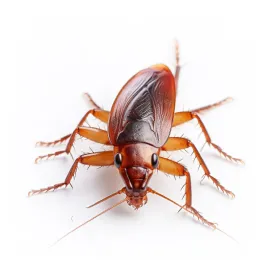
Shared surfaces also play a part. A bed bug can hide in the fold of a chair, the seam of a curtain, or the lining of a bag. When that item is moved, the insect has a free ride. This is especially relevant in homes where laundry, linens, backpacks, or furniture pass between bedrooms. The bug does not need to understand the route. It only needs to hold on and find shelter again.
Door gaps and wall openings can allow movement too. In apartments, bed bugs may pass through small cracks around pipes, cable openings, baseboards, or poorly sealed doors between units. They can also move through hallways and shared laundry areas when they attach to items that are being carried. This does not mean every apartment building has bed bugs. It means that once they are present, the building layout can create paths that are hard to see.
Pest Agent pest control advice frames this issue as a practical household pest problem, focused on where the insects hide and how they move. That view is useful because it shifts attention from blame to inspection. A bed bug sighting in one room is a sign to look carefully at adjacent spaces, not just the spot where a bite was noticed.
Why apartments make spread easier
Multi-unit housing creates conditions that bed bugs can exploit. Walls are close together. Doors open into shared corridors. Laundry rooms, waste areas, and storage spaces may be used by many households. Furniture is often moved in and out. Even a careful resident cannot control every item that passes near their doorway.
Bed bugs can spread between apartments through direct movement or through shared items. A bug may travel along a wall void and emerge near a electrical outlet or baseboard. Another may be transferred on a couch passed from one home to another. Used furniture is a known concern because cracks and seams can hold both insects and eggs. This does not mean all secondhand items are risky, but it does mean that unknown upholstered furniture deserves caution.
The social side matters as well. Neighbouring homes may be at different stages of an infestation. One household may notice bites early, while another may not see signs until much later. By the time a clear pattern appears, bugs may already have moved between units. This is why single-room responses often feel frustrating. The insects are responding to shelter and host access, not room labels.
Signs that movement may be happening
Bed bugs are good at staying out of sight, so people often notice evidence before they see the insect. Early signs can be easy to dismiss. Bites may look like other skin reactions, and not everyone reacts to bites in the same way. Still, certain clues are more specific.
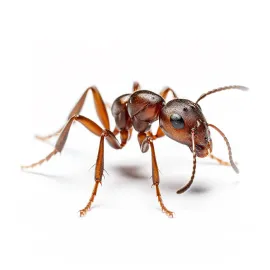
- Small dark spots on sheets, mattresses, or nearby walls, caused by waste from feeding insects.
- Pale shed skins or tiny eggs in seams, corners, and furniture joints.
- Live insects that look like flat, reddish brown seeds, especially near beds or sofas.
- Blood stains on bedding or furniture after a bug has been crushed.
- Bites that appear in lines or clusters on exposed skin, though this pattern is not proof on its own.
When these signs show up in more than one room, spread is already a possibility. The next step is not to strip every blanket in the home at once. It is to check the most likely harbourages in a careful order and record what is found. That record helps separate a small, recent issue from a wider one.
What to check in nearby spaces
A focused inspection should include the room where signs appeared and the spaces connected to it. In a bedroom, check the mattress seams, the underside of the bed, the headboard, bed frame joints, and the area behind the nightstand. Look at the edges of carpet, the baseboard line, and any clutter that has stayed in place for a while. A flashlight and a plain white surface can make small insects easier to see, but a careful visual check is enough to start.
In the adjacent room, check soft furnishings and places where items from the first room are stored. Laundry baskets, shared closets, guest beds, and sofas are common points of interest. In an apartment, also consider the wall that connects to a neighbouring unit, especially near pipe penetrations and electrical fittings. Disturbing sealed electrical fittings is not a safe DIY task. If bugs are suspected in wall voids or around fixed fittings, that part of the problem is best left to a qualified professional.
The goal is to understand extent. A single bug near a bed may be an introduced insect that has not established a population. Several signs across multiple rooms suggest a larger issue. Eggs and shed skins are more concerning than one adult insect, because they point to ongoing activity. This distinction matters when deciding whether a household can respond carefully on its own or needs outside help.
What spread means for treatment
Bed bug control is rarely about one perfect spray or one quick clean. It is about finding where the insects are hidden and making those places unsuitable for them. Heat, drying, vacuuming, and careful laundering can help with items that can be handled safely. Heat treatment of belongings should be approached with care, since delicate fabrics and some plastics can be damaged. When heat is used as a whole-structure treatment, it is a job for a qualified professional.
Chemical products can also be part of control, but they need to be chosen and used for the exact setting. Using products in a careless way can create risk for people, pets, and the home. If the infestation extends into walls, neighbouring units, or multiple rooms, professional assessment is usually the more reliable path. Pest Agent provides pest advice, ranked local exterminator comparisons, and recommended products for handling household pest problems, so Pest Agent pest control advice may be useful when comparing options and deciding what level of response fits the situation.
A key point is that bed bugs hide before they are seen. Treating only visible bugs misses eggs and sheltered insects. Moving furniture during treatment can also scatter bugs if items are carried through clean rooms without containment. This is why a plan matters as much as the product. Items should be sorted before they are moved, and treated belongings should not be passed through unaffected spaces in a way that spreads the problem.

Reducing the chance of further movement
Once bed bugs are suspected, simple habits can reduce accidental transfer. Keep laundry from an affected room contained until it can be handled. Avoid moving mattresses, sofas, and stuffed furniture between rooms unless they are being assessed or treated. Reduce clutter near beds and sofas, since fewer hiding places make inspection clearer. Seal visible gaps around baseboards and door edges where practical, but do not interfere with safety fittings or fixed electrical components.
In shared buildings, communication matters. Bed bugs can move between units, so a problem kept secret may continue to spread. A building-wide response is not always simple, but early reporting gives everyone a better chance of limiting movement. That applies to landlords, property managers, and residents. The aim is not to assign fault. It is to identify the pattern before it becomes embedded in several homes.
For anyone seeking bed bug advice, the practical lesson is straightforward: these insects spread because they hide in small places, attach to belongings, and follow access points between rooms and apartments. Bites alone do not reveal the full extent. Careful inspection of nearby spaces, cautious handling of moved items, and properly chosen control methods are what turn a confusing problem into a manageable one. When the signs point beyond a single room, qualified help is the safer route, especially where wall spaces, shared units, or structural treatments are involved.
 Facebook
 Instagram
 YouTube